Start a conversation about the performance or encourage reflection, using these questions as inspiration.
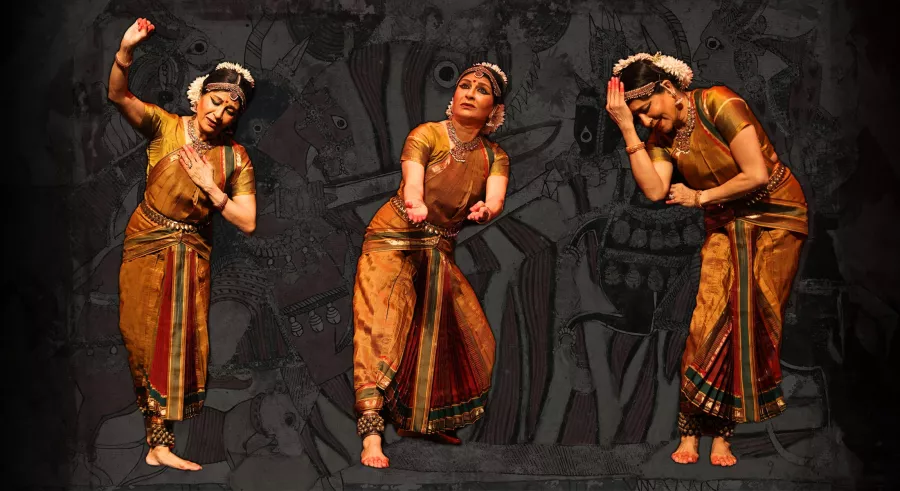
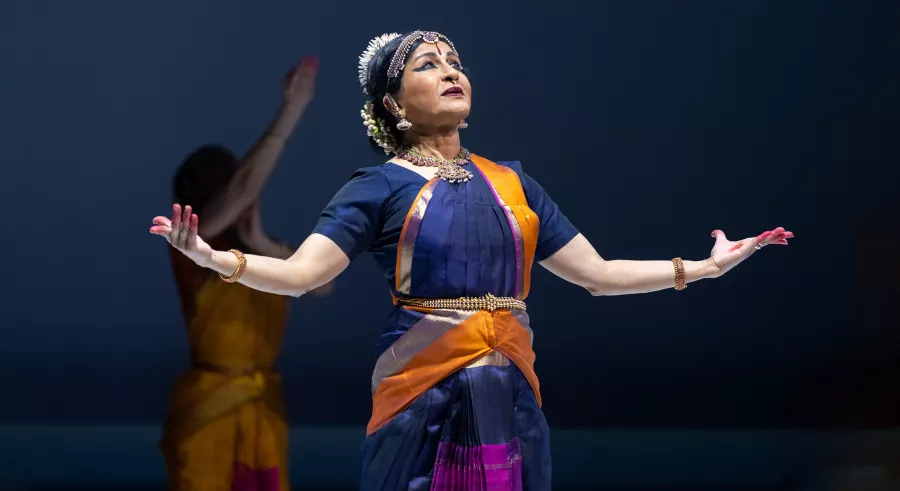
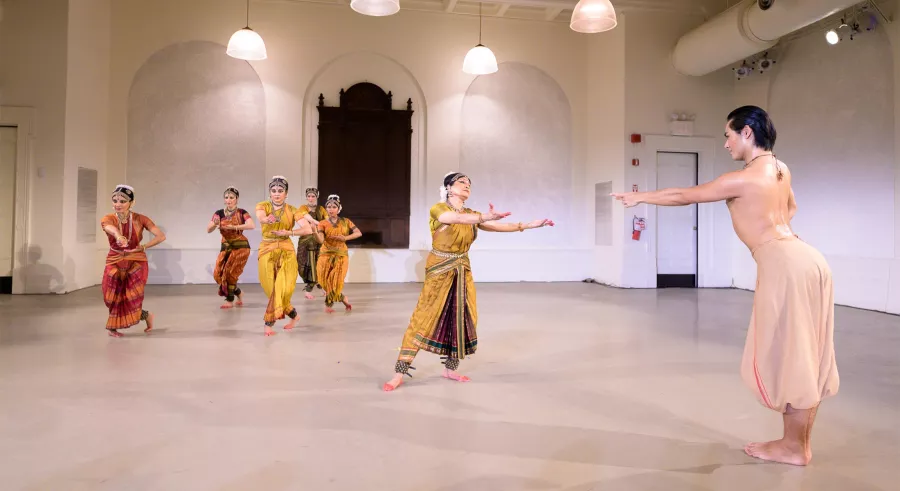
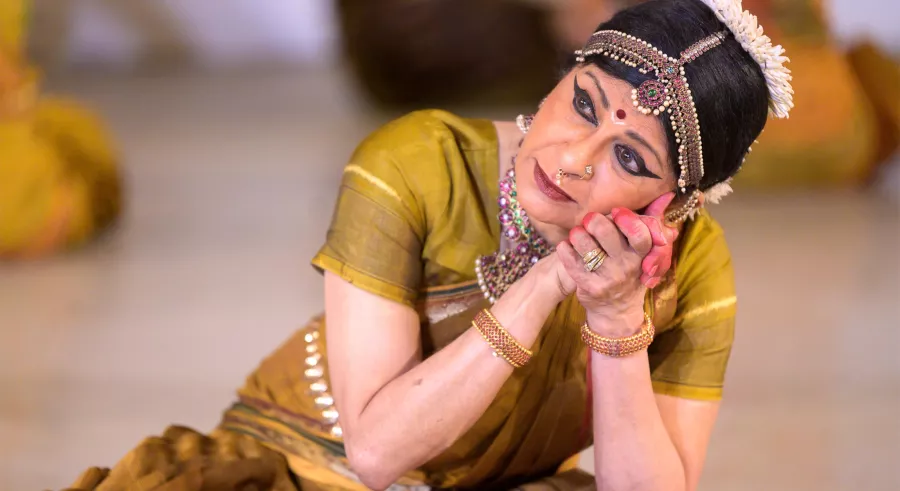
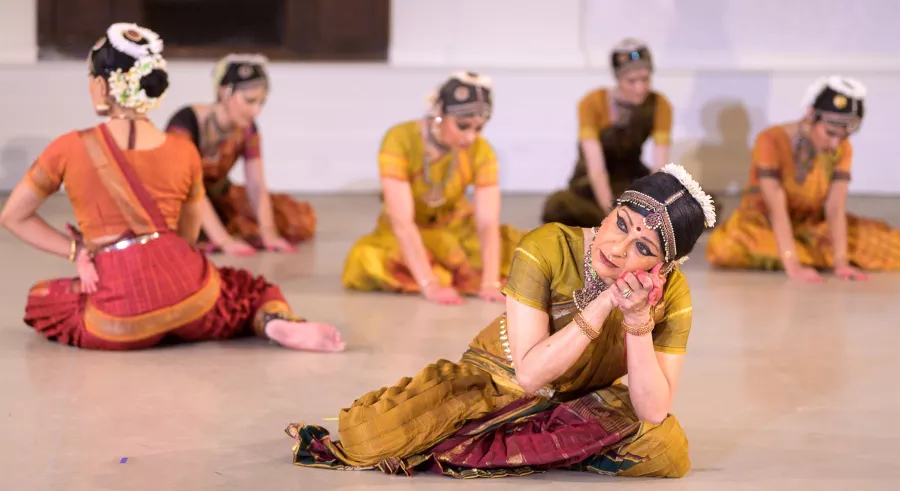
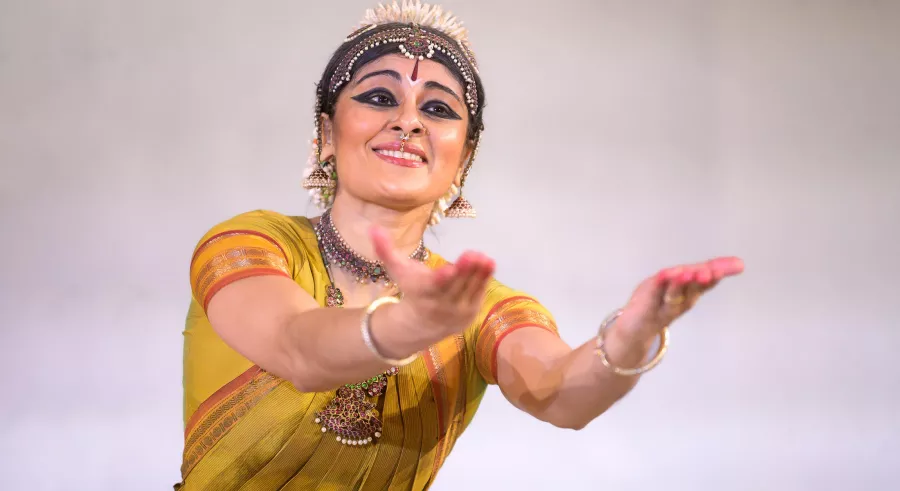
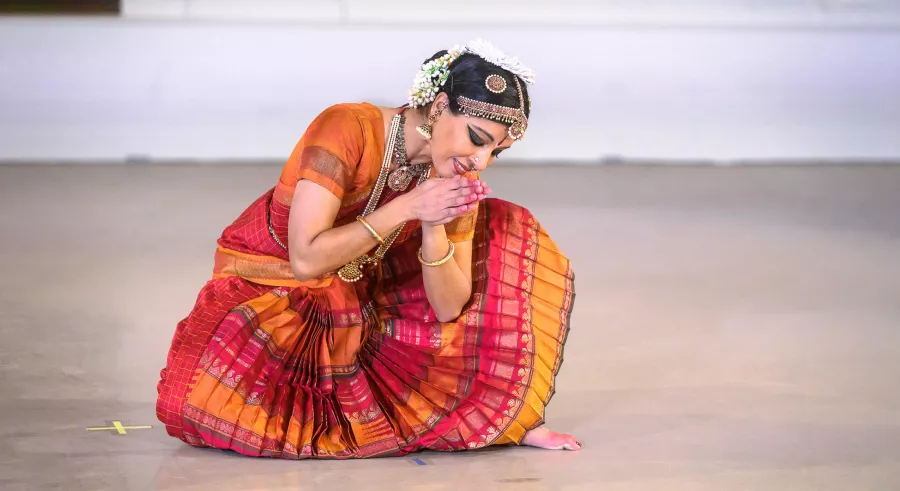
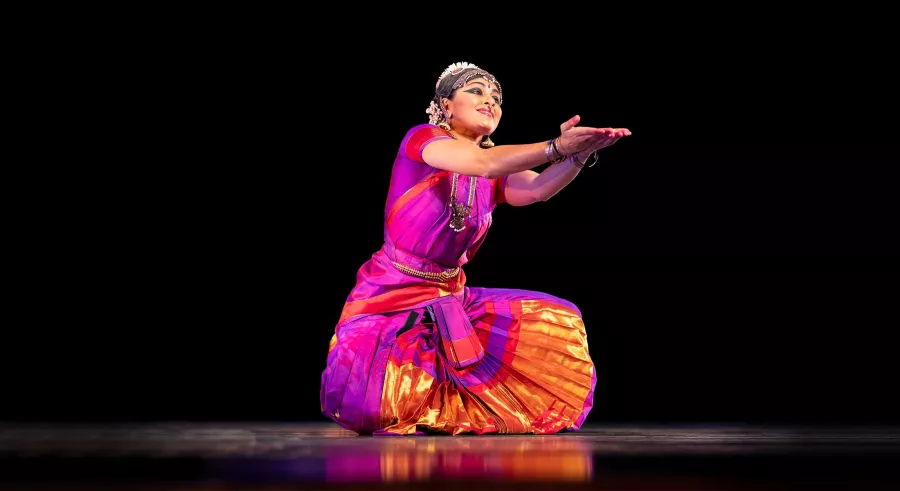
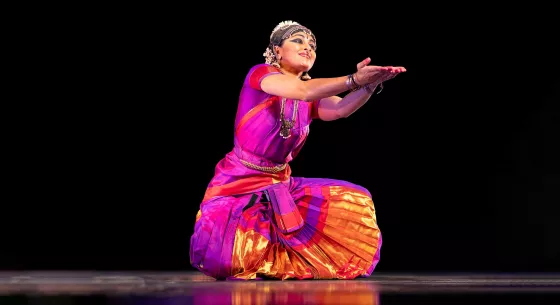
According to NPR, “Ragamala has become famous among U.S. fans of India's oldest classical dance form, Bharatanatyam … a sacred form of dance designed to evoke a sense of spiritual bliss and that's demanding to perform. It combines precise footwork, hand gestures, facial expressions, and even eye movements.”
- What role does dance play in cultural identity?
- Are there cultural or spiritual traditions that connect you to your ancestors or heritage?
- How can dance connect people from an identity group across diaspora?
According to their vision statement, “Ragamala engages in a collaborative practice with myriad artists and aesthetics and is rooted in the idea of Bharatanatyam as a dynamic living tradition.”
- How do cultural, spiritual, and artistic traditions change over time? How do they remain the same?
- How does intercultural collaboration affect art, artists, and audiences?
- Do you or your family engage in any cultural traditions, which you’ve adapted over time?
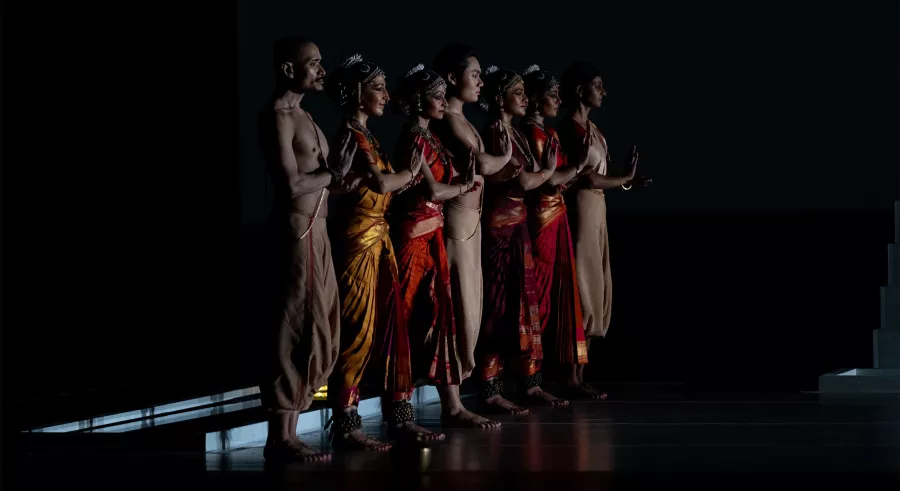
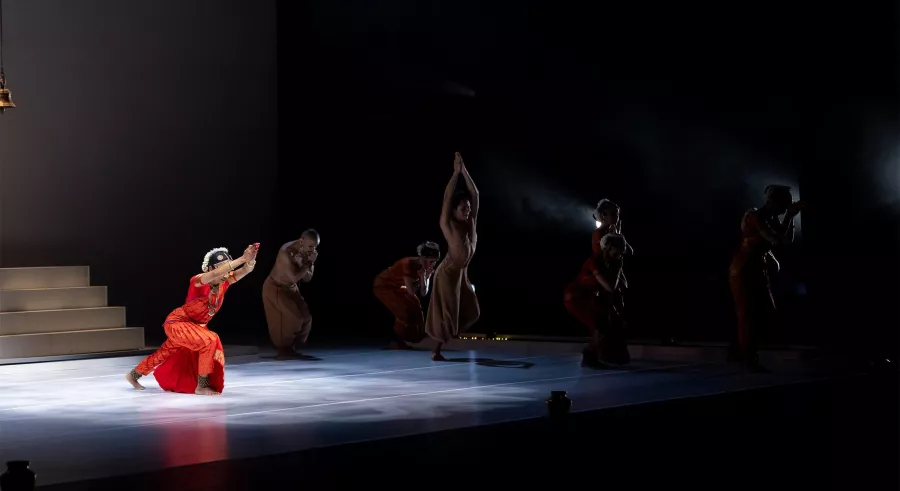
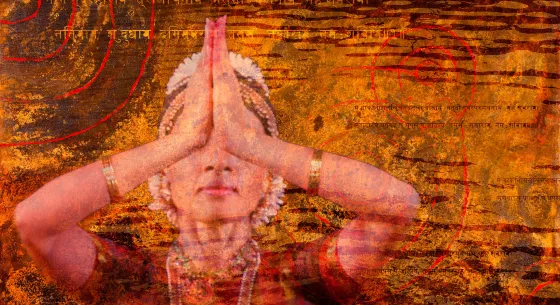
Children of Dharma explores life - forever sprouting, transforming, dissolving, and renewing - through three characters from the Hindu epic The Mahabharata; these myths reveal the power of ancient cultures to reaffirm humanity’s relationship with nature and the sacred. Guided by the Ramaswamys' iconic synthesis of cultural context, lush visual imagery, physical mastery, and truthful emotion, this multidisciplinary experience mines India's enduring ancient wisdom.
- How do you imagine literary elements (characters, themes, stories) could be incorporated into dance? How about another art form like music or sculpture?
- If you were to adapt a classic work of literature like The Mahabharata for a contemporary audience, what values would guide your adaptation? What do you imagine are the opportunities and challenges of adapting a renowned work?
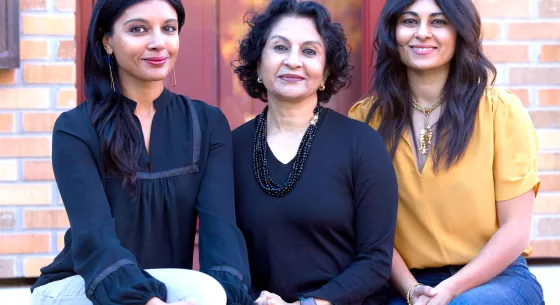
Ragamala Dance Company, founded in Minneapolis by Ranee Ramaswamy, celebrated its 30th Anniversary in 2023. Ranee and her daughter Aparna are co-artistic directors, and Ashwini Ramaswamy, Ranee's youngest daughter, is a company dancer, choreographer, and communications director. In her article “How a Mother and Her Daughters Created an Innovative Indian Dance Company,” Marianne Combs writes, "Each woman brings a specific set of talents to the family business. If Aparna is the head of the company and Ranee is its soul, then Ashwini is, perhaps, its heart.”
- Imagine working with your parent and/or sibling in a professional context. What opportunities and challenges do you imagine you might experience? Would working for or with your mother or sister be different than working with male family members?
- How do you think familial relationships affect artists and the art they create?
- Is there a career or creative endeavor you could imagine yourself pursuing for the next 30 years?